Naju Pets | April 13, 2026
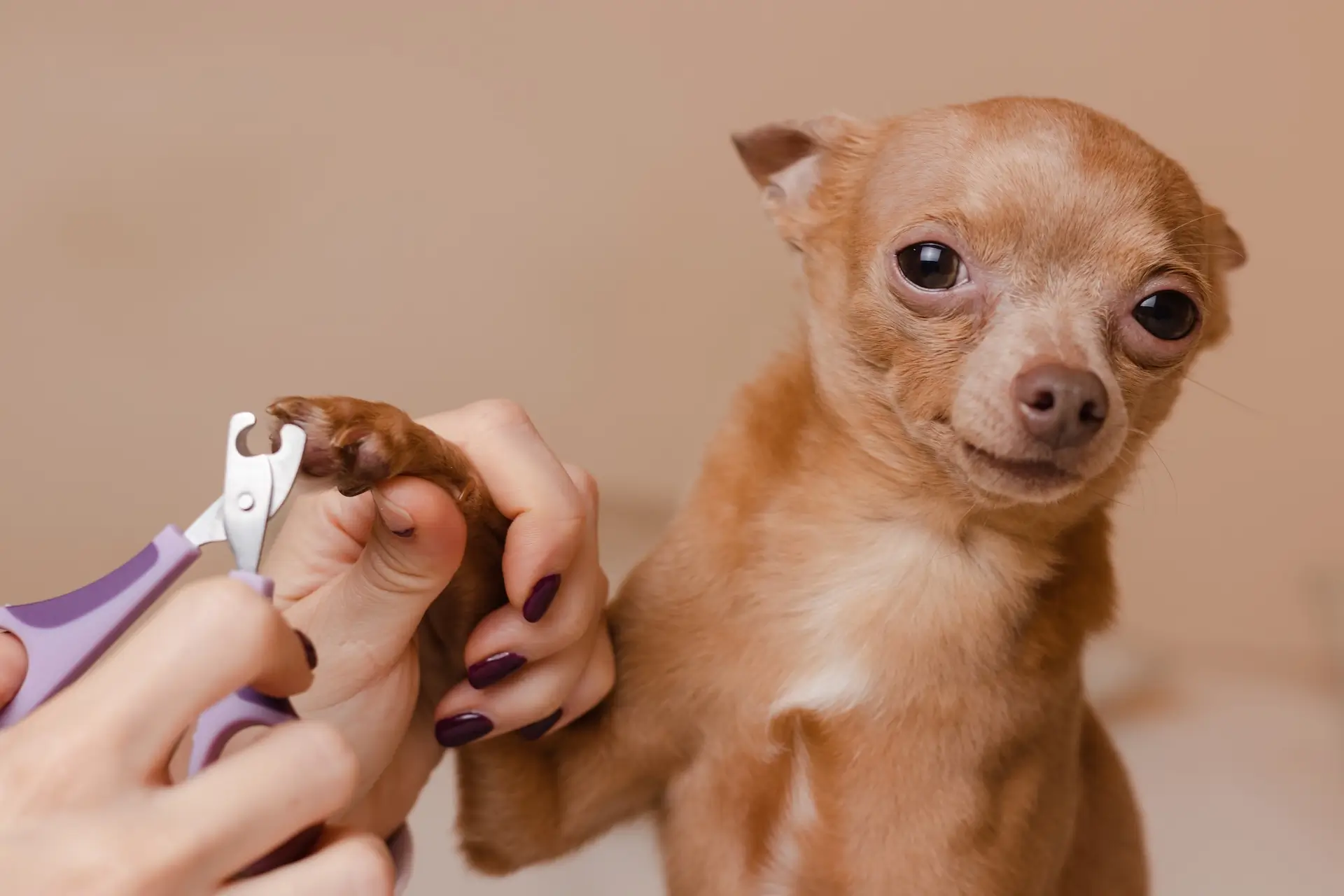
Keeping your dog’s nails trimmed is an important part of their overall comfort and mobility, but it’s one of the easiest things to fall behind on. Many pet owners are not sure how often nail trims are actually needed, or how to tell when it is time.
The right schedule depends on more than just time. Your dog’s lifestyle, activity level, and even where they walk each day all play a role.
Quick Answer:
Most dogs need their nails trimmed about every 3 to 4 weeks, but some may need trims more or less often depending on how quickly their nails grow and wear down. If you hear your dog’s nails clicking on the floor, it is usually time for a trim.
How Often Do Most Dogs Need a Nail Trim?
A 3 to 4 week schedule works well for many dogs, but that number is really just a starting point. Some dogs can go a little longer between trims, while others need nail care more often to stay comfortable.
A lot depends on how your dog spends their time each day. Dogs that walk regularly on pavement or other rough surfaces may naturally wear their nails down and need fewer trims. Dogs that spend most of their time indoors or on soft ground usually do not get that same natural wear, so their nails may grow out faster between appointments.
Age can make a difference, too. Older dogs are often less active, which means their nails may not wear down as much as they used to. That is why senior dogs often benefit from more consistent nail maintenance.
Instead of relying only on the calendar, it helps to watch how your dog moves, stands, and sounds when walking. Nail care is one of those things where observation matters just as much as routine.
How to Tell If Your Dog’s Nails Are Too Long
Even if you are not tracking a trimming schedule, your dog will usually give you clear signs when their nails need attention. The key is knowing what to look and listen for.
Common Signs Your Dog Needs a Nail Trim
Clicking sounds on hard floors
This is often the first and most noticeable sign. If you hear your dog before you see them, their nails are likely too long.
Nails touching the ground when standing
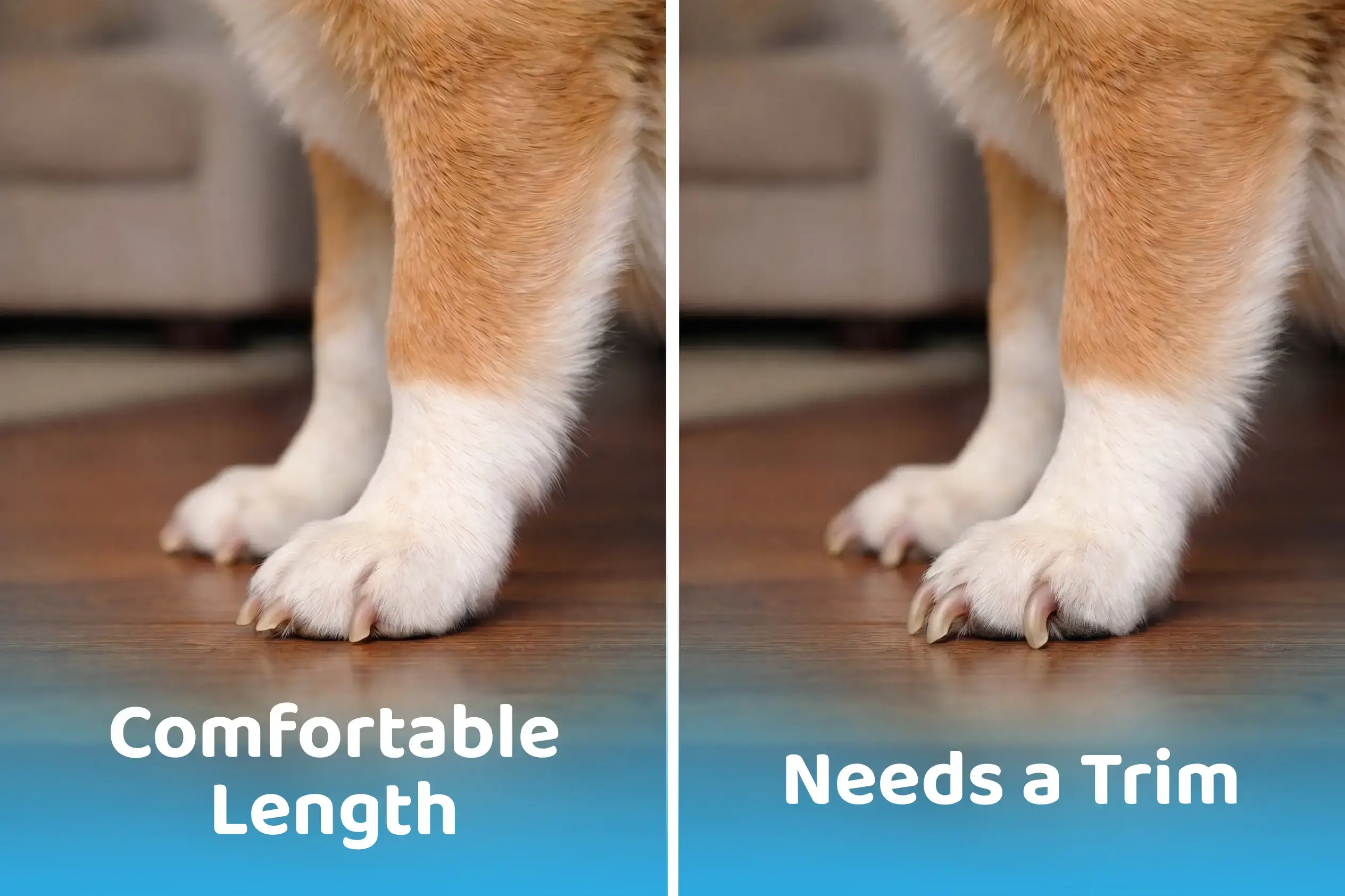
When your dog is standing still, their nails should not press firmly into the floor. Light contact might happen, but consistent pressure is a sign they need trimming.
Snagging on carpet or blankets
Longer nails can catch on soft surfaces, which can be uncomfortable or even lead to tearing.
Changes in how your dog walks or stands
Some dogs will shift their weight slightly to avoid pressure on their nails. Over time, this can affect posture and movement.
Reluctance during activity
If your dog suddenly seems hesitant to run, jump, or play, overgrown nails could be part of the issue.
A Simple At-Home Check
If you are unsure, try this quick check:
Have your dog stand naturally on a flat surface and look at their paws from the side. If the nails extend past the pad and make solid contact with the ground, it is time for a trim.
What Happens If You Don’t Trim Your Dog’s Nails?
It is easy to put off nail trims, especially if your dog does not love having their paws handled. But over time, overgrown nails can start to affect more than just how they look.
Here are some of the most common issues that come from letting nails grow too long:
Pain and pressure when walking
Long nails push back into the nail bed every time your dog steps down. This constant pressure can make even normal walking uncomfortable.
Changes in posture and movement
To avoid that pressure, dogs may shift how they stand or walk. Over time, this can place extra strain on joints and affect overall movement.
Higher risk of splitting or breaking
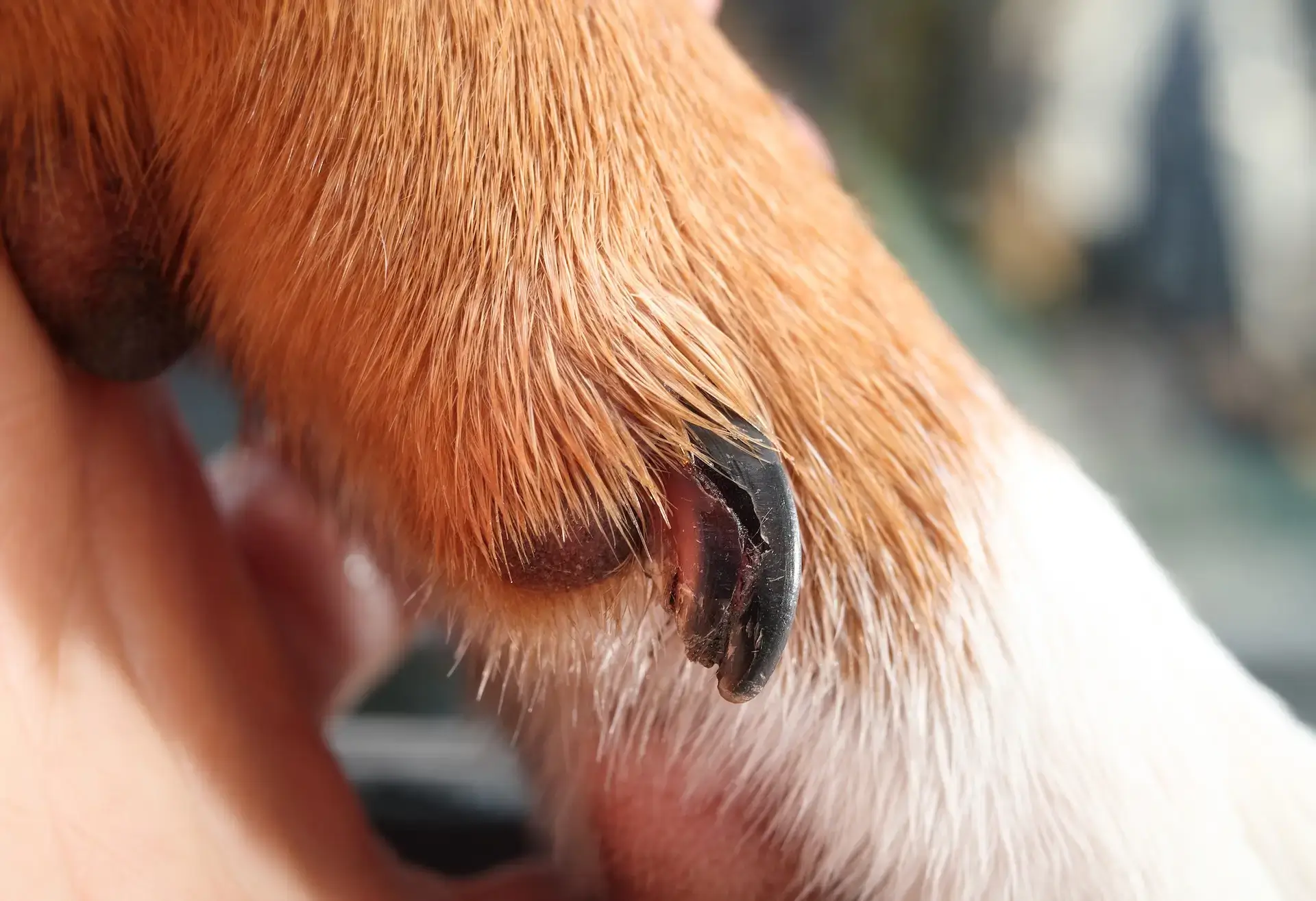
Longer nails are more likely to catch on surfaces or hit the ground at awkward angles, which can lead to painful breaks or cracks.
Snagging and bleeding
Nails that get caught on carpet, blankets, or outdoor surfaces can tear, sometimes causing bleeding and requiring veterinary care.
The quick grows longer over time
Inside each nail is the quick, which contains blood vessels. When nails are left long for too long, the quick grows out with them. This makes it harder to safely trim nails back to a shorter length later without causing discomfort.
Regular trims are not just about maintenance. They help prevent small issues from turning into bigger, more uncomfortable problems for your dog.
How Often Should You Trim Overgrown Dog Nails?
If your dog’s nails have already gotten too long, it is important not to try to fix everything in one trim.
Cutting too much at once can be uncomfortable and increases the risk of hitting the quick. Instead, overgrown nails are best handled gradually.
A safer approach is to trim small amounts more frequently, usually every 1 to 2 weeks. This allows the quick inside the nail to slowly recede over time, making it possible to shorten the nails without causing pain.
It can take several trims to get back to a healthy length, especially if the nails have been long for a while. Patience is key here. Slow, consistent maintenance is much more effective than trying to rush the process.
If you are unsure how much to trim or your dog is sensitive about their paws, it is okay to take a step back and go at a pace that keeps them comfortable.
Can You Trim Dog Nails at Home?
Many pet owners choose to trim their dog’s nails at home, and for some dogs, it works well. With the right tools and a calm approach, nail trimming can become part of a regular routine.
That said, it is not always easy.
Some dogs are uncomfortable having their paws handled, which can make trimming stressful for both the dog and the owner. Dark nails can also make it harder to see where the quick begins, which adds another layer of uncertainty.
It is completely normal to feel hesitant, especially if you are worried about cutting too far or if your dog has had a negative experience in the past.
If trimming at home feels difficult or stressful, professional help may be the better fit.
When to Get Professional Help With Nail Trimming
Even when you know how often to trim your dog’s nails, actually doing it is a different story.
Some dogs are sensitive about their paws. Others pull away, get anxious, or simply will not sit still long enough to make trimming easy. Add in the challenge of dark nails or not being able to clearly see the quick, and it can quickly turn into a stressful experience for both of you.
It may be time to consider professional help if:
- Your dog resists or becomes anxious during nail trims
- The nails are very overgrown and need to be shortened gradually
- You are unsure how much to trim safely
- Nail trimming has become frustrating or inconsistent at home
In many cases, the hardest part is not knowing what to do. It is the pressure of trying to do it right without causing discomfort.
Professional grooming can take that pressure off. Nail trims are typically quicker, more consistent, and less stressful when handled by someone experienced, which can make the process easier on your dog as well.
If you would rather not manage nail care on your own, options like dog grooming services can help keep your dog’s nails at a comfortable length as part of a regular routine.
A Simple Routine That Makes a Big Difference
Keeping up with your dog’s nail care does not have to be complicated, but it does need to be consistent. Small, regular trims can prevent discomfort and help your dog move and play more naturally.
If trimming your dog’s nails at home has turned into a challenge, it is okay to get a little help. NaJu Pets offers nail trimming and filing as part of our dog grooming services.
Schedule your dog grooming in Panama City, FL with NaJu Pets and ask about nail trimming and filing.