Naju Pets | July 14, 2026
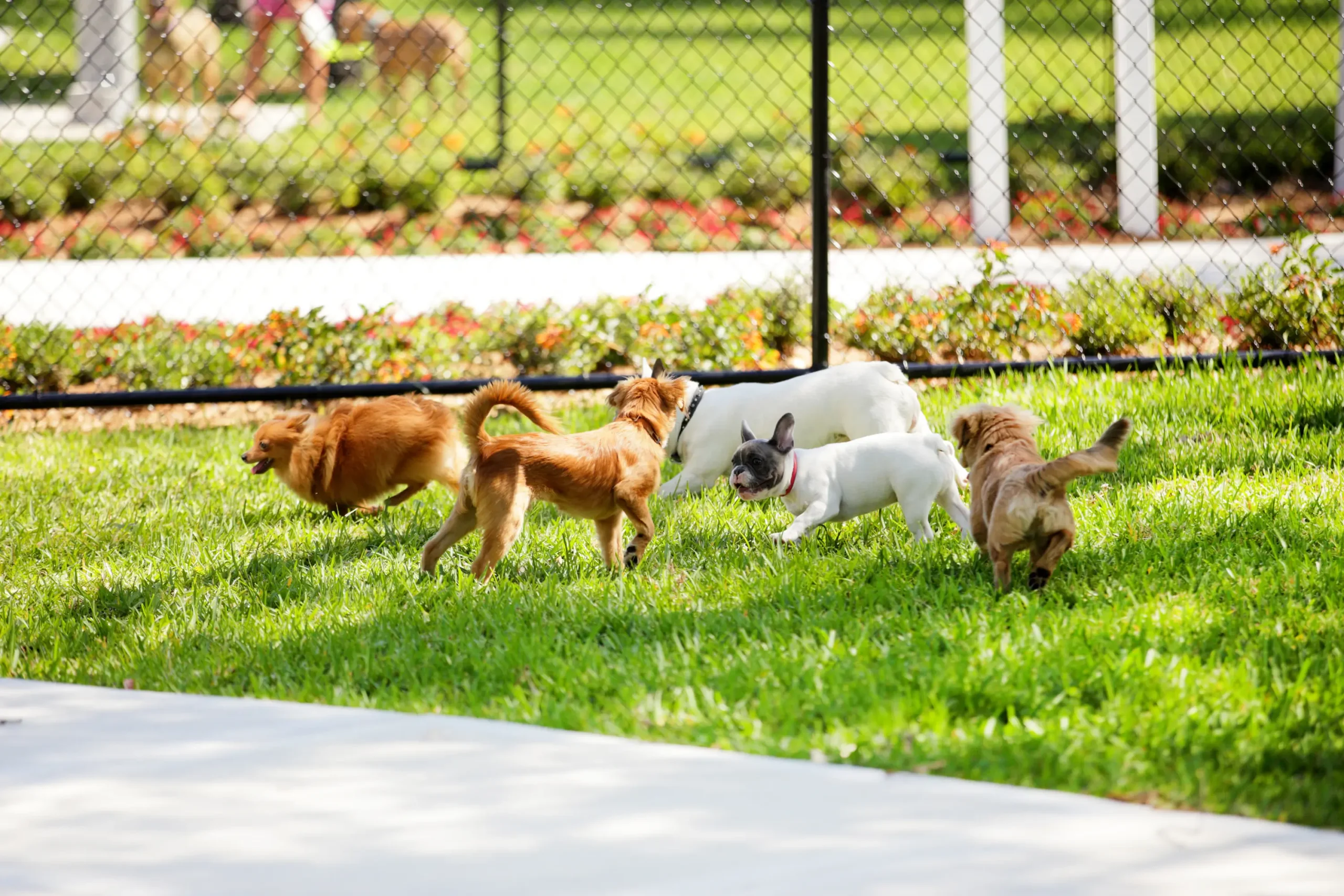
Dog parks can be a great way for dogs to run, play, and burn off extra energy. For many pet parents in Panama City, they offer an easy way to get dogs outside and give them a break from the usual neighborhood walk.
However, not every dog park experience is the same. Some dogs love the energy of a public dog park, while others feel nervous, overstimulated, or unsafe around unfamiliar dogs. That is why private dog parks and supervised play options have become more appealing for pet parents who want more structure and peace of mind.
If you are deciding between a private dog park and a public dog park in Panama City, the best choice depends on your dog’s personality, play style, confidence level, and safety needs.
What Is a Public Dog Park?
A public dog park is usually an open, shared space where local pet parents can bring their dogs to play off-leash in designated areas. These parks can be a convenient way for dogs to exercise, especially if you do not have a fenced yard at home.
Public dog parks may include separate play areas, benches, water stations, shade, or walking paths, depending on the location. They are often free or low-cost, making them a popular option for many dog owners.
The main thing to remember is that public dog parks are shared spaces. You usually do not know the other dogs, their vaccination status, their play habits, or how closely their owners will supervise them.
What Is a Private Dog Park?
A private dog park is a more controlled play environment. Instead of an open public setting where any dog may enter, private dog park experiences are typically more structured, limited, and supervised.
At Park Adventures, dogs can enjoy supervised play in a private outdoor setting with room to run, socialize, and cool off. This gives pet parents another option when they want their dog to enjoy park-style fun without the uncertainty of a public dog park.
A private dog park may be a better fit for dogs that need a safer, more predictable environment or for pet parents who want trained staff nearby during playtime.
Private Dog Park vs. Public Dog Park: The Main Differences
Both private and public dog parks can give dogs exercise and enrichment, but the experience can be very different.
Supervision
Public dog parks rely on individual pet owners to watch and manage their own dogs. Some owners are very attentive, while others may be distracted or unsure how to recognize unsafe play.
Private dog park experiences are typically more supervised. This can help reduce rough play, overstimulation, and situations where one dog is repeatedly bothering another.
Group Size
Public dog parks can be unpredictable. Some days may be quiet, while others may be crowded with dogs of different sizes, ages, energy levels, and temperaments.
Private dog park settings are often more limited and intentional. Smaller groups can help dogs feel more comfortable and allow staff to better monitor each dog’s behavior.
Safety and Requirements
At a public dog park, it can be difficult to know whether every dog is healthy, vaccinated, or ready for group play. This does not mean public parks are bad, but it does add uncertainty.
Private care environments usually have clearer health and vaccination standards. Before joining activities at NaJu, pet parents can review the requirements so they know what is needed to help protect all pets in care.
Play Style Matching
Dogs have different play styles. Some love to chase, some like wrestling, some prefer gentle sniffing, and others would rather explore without much direct interaction.
In a public dog park, those play styles may not always match. A shy dog may be overwhelmed by a pushy player, while a high-energy dog may accidentally intimidate smaller or slower dogs.
A private, supervised setting can help create a better match between dogs based on size, temperament, and energy level.
When a Public Dog Park May Be a Good Fit
A public dog park may work well for some dogs, especially those that are confident, social, and comfortable around unfamiliar dogs.
Your dog may enjoy a public dog park if they:
- Play politely with new dogs.
- Respond well when called.
- Are comfortable in busy environments.
- Do not guard toys, water, or space.
- Can handle different dog sizes and energy levels.
- Stay calm when another dog plays too rough.
- Are fully vaccinated and healthy.
Public dog parks can be a fun part of a dog’s routine when the environment is calm and the dogs there are well matched. Pet parents should still stay alert, watch body language, and leave if the play becomes too intense.
When a Private Dog Park May Be Better
A private dog park may be a better option for dogs that need more structure, space, or supervision.
Your dog may benefit from a private dog park if they:
- Get nervous around unfamiliar dogs.
- Become overwhelmed in crowded spaces.
- Need a smaller playgroup.
- Are still learning social skills.
- Have a high-energy play style that needs guidance.
- Do better with staff supervision.
- Need a more predictable environment.
- Love outdoor play but struggle with public dog park chaos.
A private dog park can also be helpful for pet parents who want their dog to enjoy exercise and social time without having to manage every interaction alone.
Why Supervised Dog Play Matters
Dogs communicate through body language, and not every sign of stress is obvious at first. What looks like “normal play” can sometimes shift into discomfort, chasing, bullying, or overstimulation.
Supervision helps protect dogs by watching for signs like:
- Stiff body posture.
- Tucked tails.
- Repeated hiding or avoidance.
- Excessive mounting.
- One dog constantly chasing another.
- Growling that escalates.
- Snapping or defensive behavior.
- Play that does not include natural breaks.
In a supervised setting, staff can help interrupt rough play, redirect dogs, and create a better balance between activity and rest. This is especially important for dogs that enjoy playing but need help knowing when to slow down.
Public Dog Park Risks Pet Parents Should Know
Public dog parks can be fun, but they are not risk-free. Knowing what to watch for can help you make better decisions for your dog.
Unmatched Play Styles
A gentle dog may not enjoy being chased by several high-energy dogs. A small dog may feel intimidated by larger dogs. A puppy may not understand when an older dog wants space.
Limited Health Oversight
Because public parks are open spaces, you may not know whether every dog is up to date on vaccines or healthy enough for group play.
Distracted Owners
Some owners may be on their phones, talking, or sitting far away while their dog plays. This can make it harder to prevent issues before they escalate.
Overstimulation
Too much noise, movement, and excitement can overwhelm even friendly dogs. Overstimulated dogs may stop listening, play too roughly, or become defensive.
Wildlife and Outdoor Hazards
In Florida, outdoor areas may include wildlife, insects, standing water, heat, or other environmental concerns. Pet parents should stay aware of their surroundings and keep dogs safe during outdoor play.
How to Tell If Your Dog Is Enjoying the Dog Park
A good dog park experience should look relaxed, balanced, and fun. Your dog does not have to play nonstop to have a good time.
Signs your dog may be enjoying the experience include:
- Loose, wiggly body language.
- Taking natural breaks.
- Returning to you comfortably.
- Switching between play and sniffing.
- Respecting other dogs’ signals.
- Relaxed tail and facial expression.
- Choosing to re-engage after pauses.
Signs your dog may not be enjoying the experience include:
- Hiding behind you.
- Trying to leave.
- Snapping or growling repeatedly.
- Freezing when approached.
- Tucked tail or pinned ears.
- Constantly being chased.
- Refusing to engage.
- Becoming overly rough or frantic.
If your dog seems uncomfortable, it is okay to leave. A short, positive outing is better than forcing a long visit that creates stress.
Can Dogs Get Enough Exercise Without a Public Dog Park?
Yes. Public dog parks are not the only way for dogs to get exercise. In fact, many dogs do better with a mix of activities rather than relying on one type of play.
Healthy exercise options can include:
- Structured walks.
- Backyard play.
- Daycare.
- Supervised private park time.
- Training games.
- Puzzle toys.
- Fetch.
- Swimming or splash play when available.
- Short sniff walks.
For dogs that need daytime activity while their owners are at work, doggy daycare can also provide supervised play, enrichment, and social time in a more structured setting.
Private Dog Park and Daycare: A Good Combination for Active Dogs
Some dogs need more than an occasional park visit. High-energy dogs, social dogs, and dogs that spend long hours at home may benefit from a regular activity routine.
A private dog park experience can give dogs outdoor fun, while daycare can provide consistent weekday enrichment. Together, these options can help support:
- Better exercise habits.
- Healthier socialization.
- Less boredom at home.
- More predictable routines.
- A safe outlet for energy.
- A calmer evening after a full day of activity.
If your dog boards while you travel, adding park-style activity can also make their stay more enjoyable. Dog boarding with enrichment can help your pet stay active, cared for, and comfortable while you are away.
How to Choose the Best Dog Park Option for Your Dog
The best choice comes down to your dog’s comfort, not just convenience.
A public dog park may be a good option if your dog is confident, social, polite with new dogs, and comfortable in unpredictable settings.
A private dog park may be better if your dog needs more supervision, gets overwhelmed easily, or does best with smaller, more controlled playgroups.
Before choosing, ask yourself:
- Does my dog enjoy unfamiliar dogs?
- Does my dog get overwhelmed in busy spaces?
- Is my dog’s play style gentle, rough, shy, or intense?
- Does my dog listen well when distracted?
- Would my dog benefit from trained supervision?
- Do I feel comfortable managing issues on my own?
- Does my dog need a safer place to run and play?
The goal is not to force your dog into a certain type of social setting. The goal is to find the environment where they can move, play, and feel comfortable.
Give Your Dog a Safer Way to Play in Panama City
Public dog parks can be a fun option for some dogs, but they are not the right fit for every pet. For dogs that need more structure, closer supervision, or a more predictable setting, a private dog park can offer a safer and calmer way to enjoy outdoor play.
With NaJu Pets, pet parents in Panama City can give their dogs supervised activity, enrichment, and care designed around their needs. Whether your dog loves to run, splash, socialize, or simply enjoy time outside, the right play environment can help them stay happier, healthier, and more balanced.


