Naju Pets | July 15, 2026
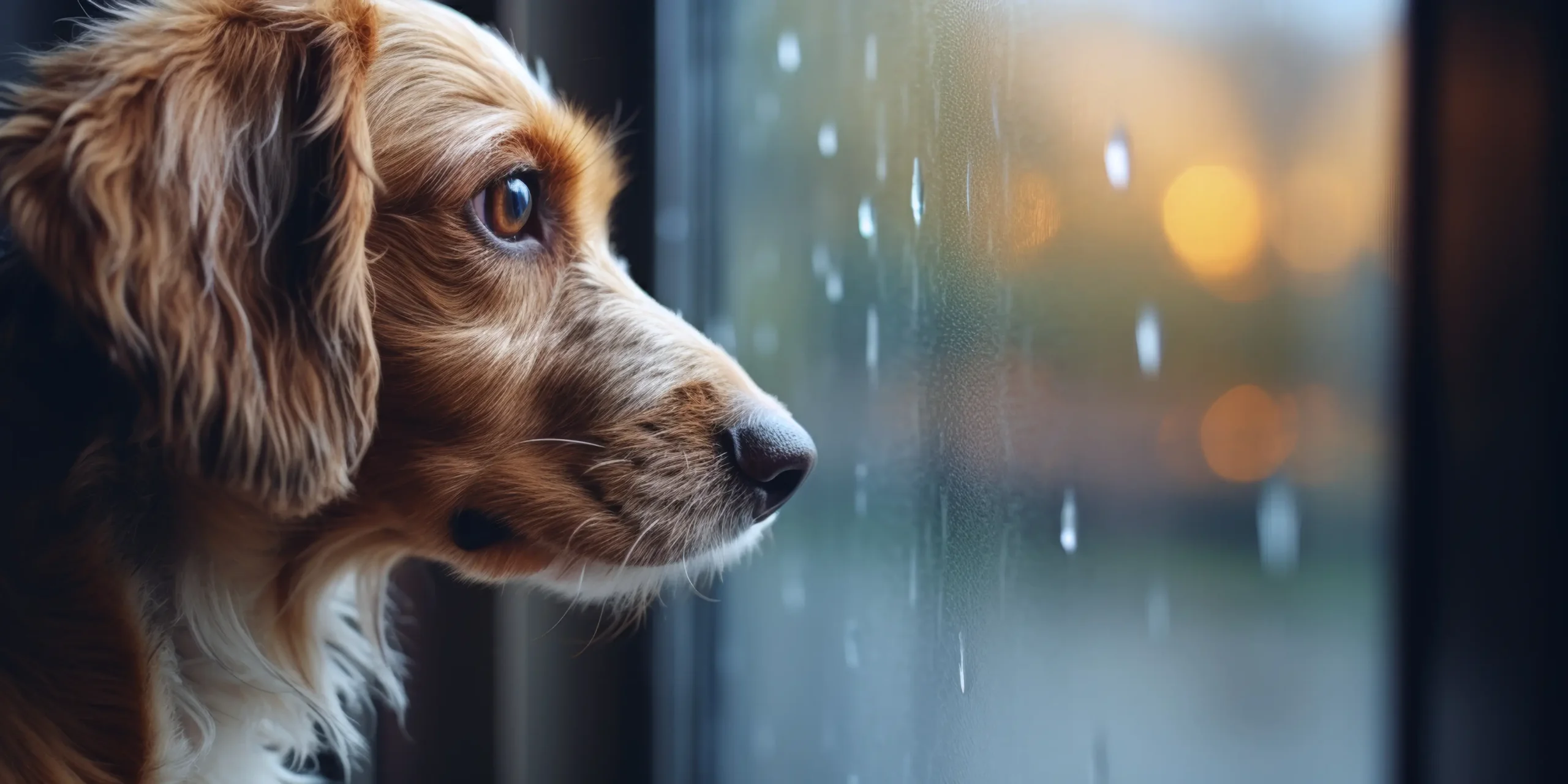
Hurricane season is part of life in Bay County, and pet parents know that storm prep is not just about protecting the house. Dogs and cats need a plan too. When weather changes quickly, having your pet’s supplies, records, and care options ready can make a stressful situation much easier to manage.
Whether you live in Panama City, Panama City Beach, Lynn Haven, Callaway, Southport, or another nearby area, pet hurricane prep should happen before a storm is on the way. Waiting until the last minute can make it harder to find supplies, confirm vaccine records, or arrange safe care for your pet.
A little planning now can help keep your dog or cat safer, calmer, and better cared for when hurricane season becomes active.
Why Pet Hurricane Prep Matters in Bay County
Bay County pet parents have to think about more than rain and wind. Hurricanes can lead to power outages, flooding, road closures, evacuations, limited store supplies, and changes to normal routines. For pets, those disruptions can be confusing and stressful.
Dogs and cats may also react strongly to storms. Loud thunder, shifting pressure, new people in the home, packed bags, or an evacuation can all create anxiety. Having a clear pet emergency plan helps reduce last-minute decisions and gives you more control when conditions change.
If your household may need support during travel, evacuation, or cleanup, knowing your options for dog boarding or cat boarding ahead of time can make a big difference.
What Should Be in a Pet Hurricane Kit?
A pet hurricane kit should include the supplies your dog or cat would need if you had to stay home during a storm, leave quickly, or be away from normal resources for a few days.
Your pet emergency kit should include:
- Food for several days.
- Bottled water.
- Food and water bowls.
- Medications.
- A leash, collar, and harness.
- Waste bags or litter supplies.
- A carrier or crate.
- Comfort items, such as a blanket or toy.
- Cleaning supplies.
- Current photos of your pet.
- Copies of vaccine records.
- Microchip information.
- Your veterinarian’s contact information.
For cats, include litter, a litter pan, scoop, and a secure carrier. For dogs, include an extra leash and any walking gear they need. If your pet has special food, medication, or medical needs, pack more than you think you will need in case stores, clinics, or roads are unavailable after the storm.
The CDC has several PDF resource and boarding instruction guides that can be filled out to aid you in your hurricane kit creation.
Keep Your Pet’s Vaccine Records Easy to Access
Vaccine records are one of the most important parts of pet hurricane prep. If you need to board your dog or cat, use a pet-friendly shelter, stay in a hotel, or travel unexpectedly, you may be asked to show proof of current vaccinations.
Do not wait until a storm is approaching to search for paperwork. Keep digital and printed copies in an easy-to-access place.
Before hurricane season gets busy, review the current requirements for pet care, so you know what records may be needed before boarding, daycare, or other services. This is especially helpful if your pet’s vaccines are close to expiring or if you recently changed veterinarians.
Make Sure Your Pet Has Updated Identification
If a door, gate, carrier, or leash fails during a storm, updated identification can help your pet get home faster. Stressful weather can cause even calm pets to run, hide, or act differently than usual.
Before hurricane season, check that your pet has:
- A collar with an ID tag.
- Your current phone number on the tag.
- A registered microchip.
- Updated contact information connected to the microchip.
- Recent photos that clearly show their face, markings, and size.
If your pet is not microchipped, ask your veterinarian about it before storm season becomes more active. Tags are helpful, but collars can come off. A microchip adds another layer of protection if your pet is found and scanned.
Plan Where Your Pet Will Go If You Evacuate
Not every emergency plan looks the same. Some families stay home, some go to a relative’s house, some book a hotel, and some need to leave the area. Your pet should be included in every version of that plan.
Before a storm forms, think through:
- Where your pet will go if you evacuate.
- Whether your destination accepts pets.
- Whether your pet can travel safely by car.
- Whether you have enough carriers or crates.
- Whether your pet needs anxiety support.
- Whether boarding may be needed before or after the storm.
- How you will transport multiple pets if needed.
If you may need help getting your pet to a care facility, pet shuttle service can be a useful option to understand before an emergency happens.
Should You Board Your Pet During a Hurricane?
Boarding may be helpful in some situations, but it depends on the storm, your travel plans, facility availability, and your pet’s needs.
Pet boarding may be worth considering if:
- You are leaving town and cannot bring your pet.
- Your home is not safe for your pet during severe weather.
- Your pet becomes extremely anxious during storms.
- You are hosting family members or extra pets.
- You need to focus on preparation, cleanup, or repairs.
- You want your pet in a supervised environment while routines are disrupted.
Boarding spots may fill quickly when storms are approaching, so it is best to understand your options early. Even if you do not need boarding for every storm, having a trusted care provider in mind can help you act faster when plans change.
Prepare Dogs for Storm Season
Dogs often pick up on household stress before a storm. They may notice packed bags, tense conversations, changing routines, or unusual weather. Preparing them ahead of time can make storm days easier.
Practice Crate or Carrier Comfort
If your dog may need to travel, board, or stay in a new place, they should be comfortable with a crate or carrier before an emergency. Start with short, positive sessions and reward calm behavior.
Keep Leashes Near the Door
Storms can damage fences, knock down branches, and create unsafe outdoor conditions. Keep leashes and harnesses easy to reach so your dog can be safely taken outside when needed.
Plan for Exercise Before Weather Gets Bad
Dogs may have limited outdoor time during heavy rain or wind. Give them safe activity before conditions worsen, then use indoor enrichment like puzzle toys, training games, or chew items during the storm.
Schedule Grooming Before Peak Storm Season
A clean, well-maintained coat can make storm season easier, especially for dogs prone to matting, shedding, or skin irritation. If your dog needs a seasonal refresh, mobile grooming can help you handle grooming without adding another errand to your storm prep list.
Prepare Cats for Storm Season
Cats can be especially sensitive to changes in routine. Many cats hide when they sense stress, hear loud noises, or see unfamiliar items like carriers and packed bags.
Bring the Carrier Out Early
Do not wait until evacuation day to bring out the carrier. Leave it out ahead of time with a blanket or familiar scent inside so your cat has time to adjust.
Create a Quiet Safe Space
Choose a quiet room where your cat can stay during storm prep or severe weather. Include food, water, litter, bedding, and hiding spots.
Keep Cats Indoors
Cats should stay indoors before, during, and after a storm. Outdoor hazards can increase quickly, and frightened cats may be harder to find if they run.
Know Your Boarding Options
If your cat needs care while you travel or manage storm-related issues, cat boarding can provide a dedicated place for them to stay while your household handles the situation.
Do Not Wait Until the Last Minute
The hardest part of hurricane prep is often timing. By the time a storm is close, stores may be crowded, supplies may be limited, roads may be busy, and boarding availability may be reduced.
Before hurricane season peaks, take time to:
- Restock your pet emergency kit.
- Confirm vaccine records.
- Update ID tags and microchip details.
- Check carriers and crates.
- Review evacuation plans.
- Save important phone numbers.
- Confirm pet care options.
- Refill needed medications.
This does not have to be complicated. The goal is to make sure the basics are ready before you are under pressure.
What to Do After a Storm
Pet safety does not stop once the storm passes. After a hurricane or tropical storm, outdoor areas may have debris, standing water, damaged fences, downed limbs, displaced wildlife, or sharp objects.
After a storm:
- Keep dogs leashed outside.
- Check fencing before letting pets into the yard.
- Do not allow pets to drink standing water.
- Watch for wildlife.
- Keep cats indoors.
- Inspect paws after walks.
- Return to normal feeding and routines gradually.
- Monitor your pet for stress or changes in behavior.
Some pets may seem clingy, restless, or unusually tired after a storm. A calm routine, familiar bedding, and predictable care can help them settle back in.
Build Your Bay County Pet Hurricane Plan Before You Need It
Hurricane prep can feel overwhelming, but a pet plan makes it easier to act quickly and confidently. By preparing supplies, records, transportation, and care options ahead of time, you can help protect your dog or cat when Bay County weather becomes unpredictable.
Whether you need boarding during travel, grooming before storm season, daycare after routines shift, or help getting your pet where they need to go, NaJu Pets can help local pet parents plan ahead with reliable care options for dogs and cats.


