Naju Pets | September 28, 2026
Those Wild Bursts of Energy Have a Name
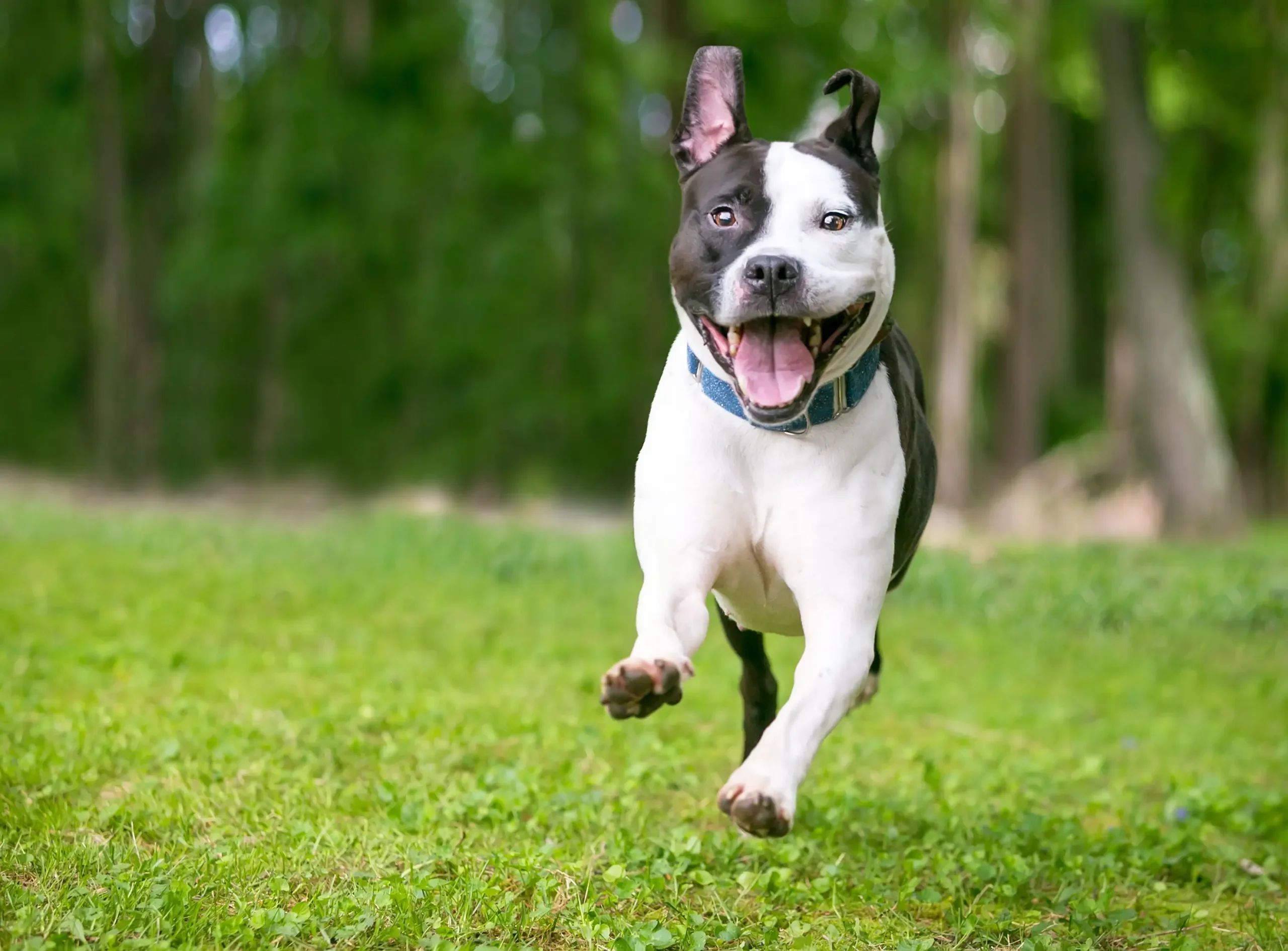
One moment your dog is relaxing, and the next they are racing through the house, circling the couch, or sprinting across the yard. These bursts are commonly called zoomies. The more formal term is a frenetic random activity period, often shortened to FRAP. Zoomies are especially common in puppies and young dogs, but adult and senior dogs may have them too. In many cases, they are a normal way for a dog to release excitement or built-up energy.
Why Do Dogs Get the Zoomies
Zoomies can happen when a dog feels excited, playful, relieved, or ready to move after being still. Some dogs race around when their owner comes home, after waking from a nap, or when a favorite toy appears. Others get the zoomies after a bath or grooming appointment, possibly as a release after an unfamiliar or stimulating experience. The trigger differs from one dog to another, so the best clue is often what happened immediately before the running began.
Why Puppies Zoom More Often
Puppies are still learning how to regulate their energy and settle themselves. A young dog may race around after play, during the evening, or when they are overtired and struggling to wind down. Puppies also experience many new sights, sounds, people, and routines, which can create excitement that comes out as fast, playful movement. A consistent schedule that includes age-appropriate activity, training, meals, and rest can make their daily energy easier to manage.
Common Times for Dog Zoomies
After waking up from a nap or spending time resting.
When a family member arrives home or starts a favorite activity.
After a bath, grooming appointment, or other stimulating experience.
In the evening, especially in puppies with energy left at the end of the day.
After going outside, using the bathroom, or being released into an open play area.
How to Keep Zoomies Safe Indoors
A happy sprint can become risky when it happens near stairs, glass doors, sharp furniture, slippery flooring, or breakable objects. Give your dog room instead of stepping into their path or trying to grab them while they are moving quickly. If indoor zoomies happen regularly, block access to unsafe areas and guide your dog toward a carpeted room or fenced yard. Staying calm helps the burst pass without turning it into a chase through the house.
Should You Stop Your Dog From Doing Zoomies
Normal zoomies usually do not need to be punished or interrupted. If your dog is in a safe space, you can let the burst run its short course. When the location is unsafe, use a cheerful cue, toy, or treat to guide your dog toward a better area rather than chasing or scolding them. Afterward, offer water and allow your dog to settle. The goal is to manage the surroundings while keeping the experience positive.
Zoomies Do Not Always Mean Your Dog Needs More Exercise
A dog can get the zoomies even after a full day of activity, so the behavior does not automatically mean they are under-exercised. Look at the larger pattern. A dog that also struggles to settle, becomes destructive, demands constant attention, or seems restless throughout the day may benefit from more physical activity or mental stimulation. Exercise needs vary based on age, breed, health, and personality, so changes should fit the individual dog rather than follow a single rule.
Give Active Dogs More Productive Outlets
Walks, sniffing games, short training sessions, food puzzles, fetch, and supervised play can all help dogs use their energy in healthy ways. Variety matters because mental work can be tiring in a different way than running. If your schedule makes regular activity difficult, doggy daycare in Panama City can provide structured social time and supervised play for dogs that enjoy being around compatible groups.
Make Outdoor Play More Interesting
Open space gives dogs room to run without navigating furniture or tight corners. NaJu’s Park Adventures offers staff-supervised outdoor play for eligible daycare, boarding, and grooming guests. The experience includes space to explore and activity features that can give energetic dogs a more appropriate place to move. Because dogs differ in their social comfort and play style, NaJu groups and screens participants with safety in mind.
Why Baths Sometimes Trigger Zoomies
Post-bath zoomies are common enough to have their own reputation among dog owners. A dog may be excited to be finished, eager to dry off, or releasing tension from standing still during the bath. Keep doors closed and floors as dry as possible before your dog is released. If bathing at home turns into a stressful wrestling match, a professional dog grooming appointment can help you maintain your dog’s coat with experienced handling and an established routine.
When Zoomies May Need a Closer Look
Contact your veterinarian if the behavior changes suddenly, appears compulsive, causes repeated injury, or comes with signs such as pain, weakness, confusion, collapse, or difficulty recovering afterward. Running that looks fearful or uncontrolled may not be an ordinary playful burst. A short video and notes about when the episode happened can help your veterinarian understand what you observed. When in doubt, medical and behavioral concerns should be evaluated by a qualified professional.
Help Your Dog Put That Energy to Good Use
For most dogs, zoomies are simply a funny burst of movement that passes quickly. Safe surroundings, a dependable routine, and regular opportunities to play can help your dog enjoy that energy without turning the living room into an obstacle course. If your pup could use more supervised activity, explore NaJu’s pet care services or contact the NaJu team to find an option that fits your dog’s age, temperament, and routine.