Naju Pets | April 21, 2026
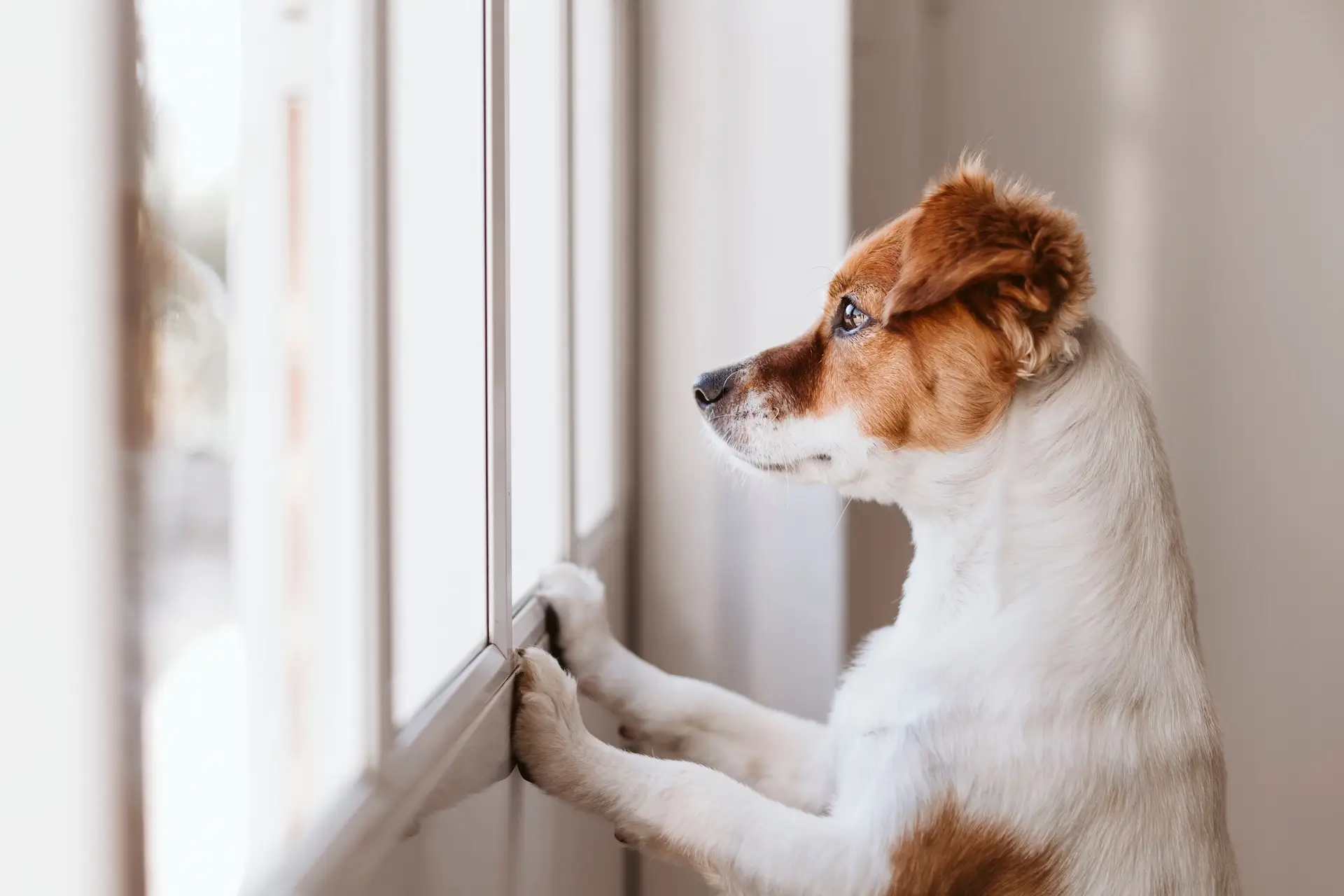
If your puppy cries the moment you leave the room, follows you from place to place, or struggles to settle when they are alone, you are not alone. This is one of the most common challenges new dog owners face, and it can feel overwhelming when you are in the middle of it.
It is easy to wonder if you are doing something wrong or if your puppy will ever grow out of it.
At NaJu Pets, we see this every day with puppies entering daycare and training programs. The good news is that with the right structure, routine, and gradual independence, separation anxiety can improve over time. Most puppies are not stuck this way. They just need help learning how to feel comfortable being on their own.
What Puppy Separation Anxiety Actually Looks Like
Puppy separation anxiety can show up in a few different ways, and not all of them are obvious at first.
Some of the most common signs include:
- Crying, barking, or howling when left alone
- Pacing or restlessness when you are out of sight
- Accidents in the house, even if they are otherwise house-trained
- Destructive behavior like chewing or scratching doors and furniture
- Constant following or inability to settle without you nearby
Many pet owners assume these behaviors mean their puppy is being stubborn or acting out, but that is usually not the case. In many situations, your puppy is feeling uncertain or stressed when they lose access to you.
It is also important to recognize that not every restless or energetic puppy has separation anxiety. Many pet parents confuse boredom with anxiety. Puppies that are under-stimulated or have excess energy may show similar behaviors, especially when left alone without enough physical or mental activity.
Understanding that difference is important because the solution often involves more than just teaching your puppy to be alone. It can also include giving them the right balance of activity, structure, and rest throughout the day.
Why Puppies Develop Separation Anxiety
Separation anxiety does not usually come out of nowhere. In many cases, it develops from a combination of routine, environment, and early habits.
The good news is that it is often something that can be improved once you understand what is contributing to it.
Too Much Constant Closeness Early On
It is completely natural to want to spend as much time as possible with a new puppy. They are small, curious, and still adjusting to a new environment.
But when a puppy is rarely alone, they do not get the chance to learn that being by themselves is safe. Over time, this can lead to a strong dependence where your presence becomes the only thing that helps them feel settled.
When that suddenly changes, even for a short time, it can feel stressful for them.
Lack of Independence Training
Being alone is a skill, and like any skill, it needs to be built gradually.
If a puppy has not had small, positive experiences being on their own, longer periods of separation can feel overwhelming. This is especially common when puppies go from constant attention to suddenly being left alone for extended periods.
Without that gradual buildup, they have not learned how to relax or self-soothe when you are not there.
Inconsistent Routine
Puppies do best when their day follows a predictable rhythm. Feeding, play, rest, and alone time all work together to create a sense of stability.
When routines change frequently, it can make it harder for a puppy to understand what to expect. That uncertainty can increase stress, especially during moments when they are left alone.
A consistent routine helps puppies feel more secure and makes it easier for them to adjust to time apart.
What Actually Helps Puppies Feel Comfortable Being Alone
There is no single fix for separation anxiety, but there are a few things that consistently make a difference. The goal is to help your puppy build confidence, use their energy in a healthy way, and learn that being alone is safe.
1. Building Independence Early
Puppies need small, low-pressure opportunities to be on their own.
This can be as simple as:
- stepping into another room for short periods
- allowing your puppy to settle in a separate space
- gradually increasing time apart in small steps
It also helps to keep arrivals and departures calm. Big greetings and emotional goodbyes can make separation feel like a bigger event than it needs to be.
The goal is to teach your puppy that you leaving and returning is normal and predictable.
2. Physical and Mental Activity
One of the most overlooked pieces of separation anxiety is energy.
Puppies that have not had enough structured activity often struggle more when left alone because they are not ready to settle yet.
Regular play, exercise, and mental stimulation can make a significant difference. Puppies that have had the chance to run, explore, and engage their brain are much more likely to rest when given the opportunity.
Programs like supervised doggy daycare or puppy preschool can also help provide that balance of activity, socialization, and routine. For many puppies, that combination makes it easier to relax and settle when they return home.
3. Routine and Predictability
A consistent daily rhythm helps puppies understand what to expect and reduces stress around being alone.
Try to keep:
- feeding times consistent
- play and activity at similar times each day
- rest periods built into the routine
A predictable routine helps alone time feel expected instead of stressful.
4. Positive Associations With Alone Time
Helping your puppy feel comfortable alone is not just about time. It is about how that time feels to them.
You can make alone time more positive by:
- offering a favorite toy or chew
- using food puzzles or enrichment activities
- creating a calm, comfortable space for them to settle
Over time, this helps shift the experience from something stressful to something more neutral or even enjoyable.
When It’s Not Just “Puppy Behavior”
Some level of whining or restlessness is normal for puppies, especially as they adjust to a new home and routine. But there is a difference between occasional frustration and ongoing distress.
If your puppy struggles briefly when you leave but settles after a few minutes, that is usually part of the learning process.
More consistent or intense behaviors can be a sign that something more is going on:
- Crying, barking, or howling that continues for long periods
- Pacing or inability to settle even after time has passed
- Destructive behavior focused on doors, crates, or exit points
- Repeated accidents when left alone, despite progress in training
- Signs of panic, such as heavy panting, drooling, or frantic behavior
These behaviors often indicate that your puppy is experiencing a higher level of stress when left alone.
A Simple Daily Routine That Helps Reduce Separation Anxiety
One of the most effective ways to help a puppy feel more comfortable being alone is to give their day a clear structure.
When puppies know what to expect, they are less likely to feel anxious during transitions like you leaving the house. A balanced routine also helps ensure they are getting enough activity, rest, and mental stimulation throughout the day.
Morning
- Short walk, play session, or active time
- Feeding
- A bit of interaction or training
Starting the day with activity helps burn off early energy and sets a calmer tone for the rest of the day.
Midday
- Rest time or quiet time alone
- Short check-in or potty break if needed
This is a natural opportunity to build independence after morning activity.
Afternoon
- Play, enrichment, or social interaction
- Training or mental stimulation
This is often when puppies need another outlet for energy. Without it, that energy can show up later as restlessness or anxiety.
Programs like supervised daycare or puppy activities can be especially helpful here, giving puppies a chance to engage in a more balanced way.
Evening
- Calm activity or light play
- Wind-down time
- Consistent bedtime routine
Evenings should gradually shift toward calm to help puppies settle more easily.
Puppies who follow a consistent routine, especially one that includes physical activity and social interaction, tend to adjust more quickly to time alone.
Can Doggy Daycare Help With Separation Anxiety?
For many puppies, doggy daycare can be a helpful part of managing separation anxiety, not as a replacement for training, but as part of a more balanced routine.
Puppies who struggle when left alone often benefit from having their physical and social needs met more consistently throughout the day. That can be especially helpful for new puppy owners who are trying to build good habits at home but can’t always provide structured activity, play, and supervision throughout the workday.
Some of the biggest benefits include:
- Socialization: Supervised interaction with other dogs helps puppies build comfort in different environments.
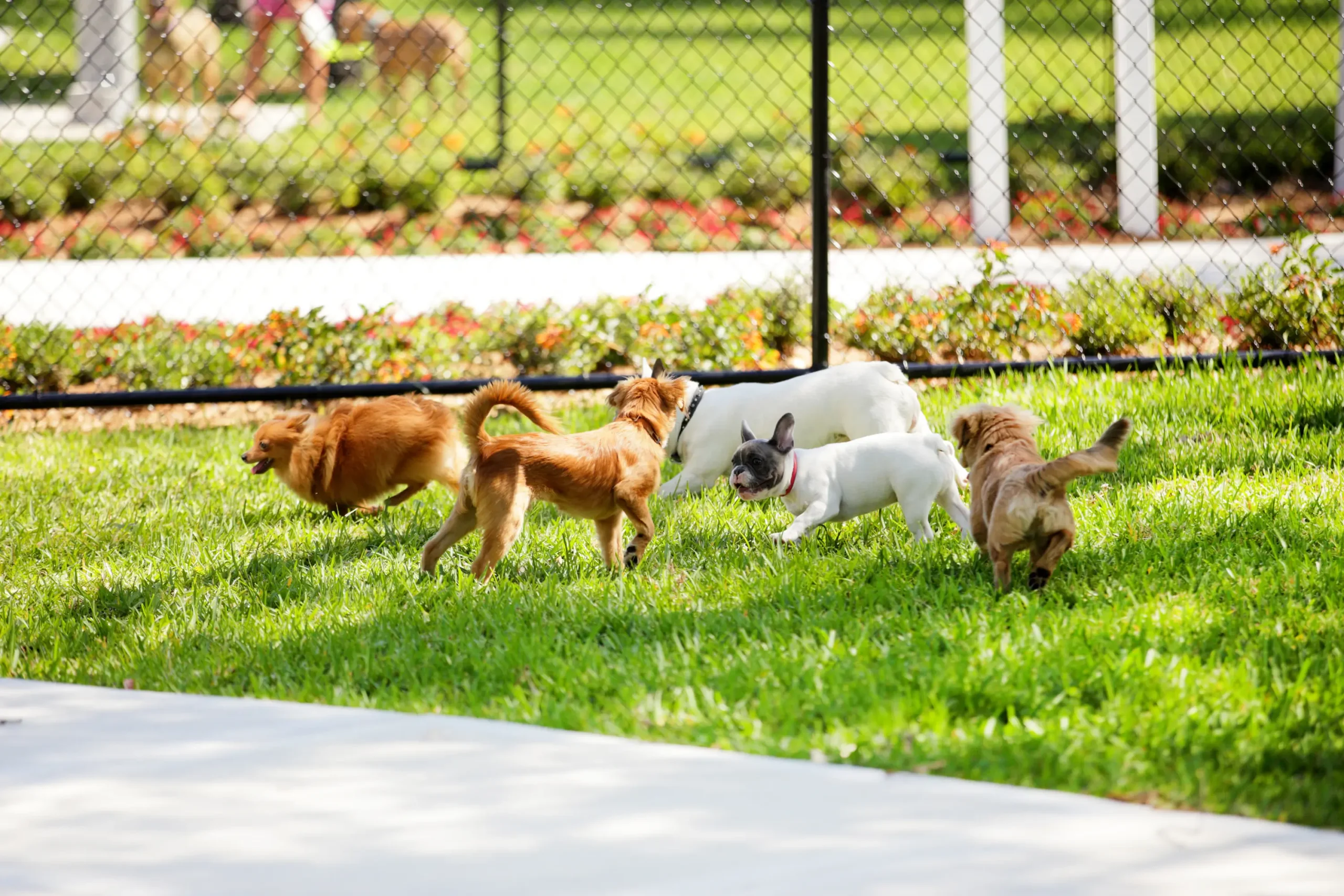
- Energy release: Puppies that have an outlet for their energy are more likely to rest at home instead of becoming restless.
- Confidence building: Time spent away from their owner in a safe setting helps puppies adjust to separation.
- Reduced isolation stress: Breaking up long periods alone can make separation feel less intense.
Structured environments like puppy preschool or supervised daycare can give puppies added support while owners continue building routine, training, and independence at home. Over time, this kind of consistency can make transitions feel easier for everyone.
When to Get Help
Some puppies improve with time, routine, and consistency. Others may need a little more support along the way.
It may be time to seek additional help if:
- Your puppy shows signs of panic rather than mild distress
- Behaviors are not improving over time or are getting worse
- You are unable to leave your puppy alone without significant stress
- Destructive behavior or accidents are becoming worse or more frequent
In these cases, working with a trainer or behavior professional can help you build a plan that fits your puppy’s needs.
Support does not have to be complicated. Sometimes a combination of training, activity, and consistency can make a meaningful difference.
If your puppy is struggling with time alone, adding structured activity to their routine can help.
Explore doggy daycare and puppy training programs at NaJu Pets in Panama City, FL, to help your puppy build confidence, burn energy, and feel more comfortable when you are away.