Naju Pets | April 3, 2026
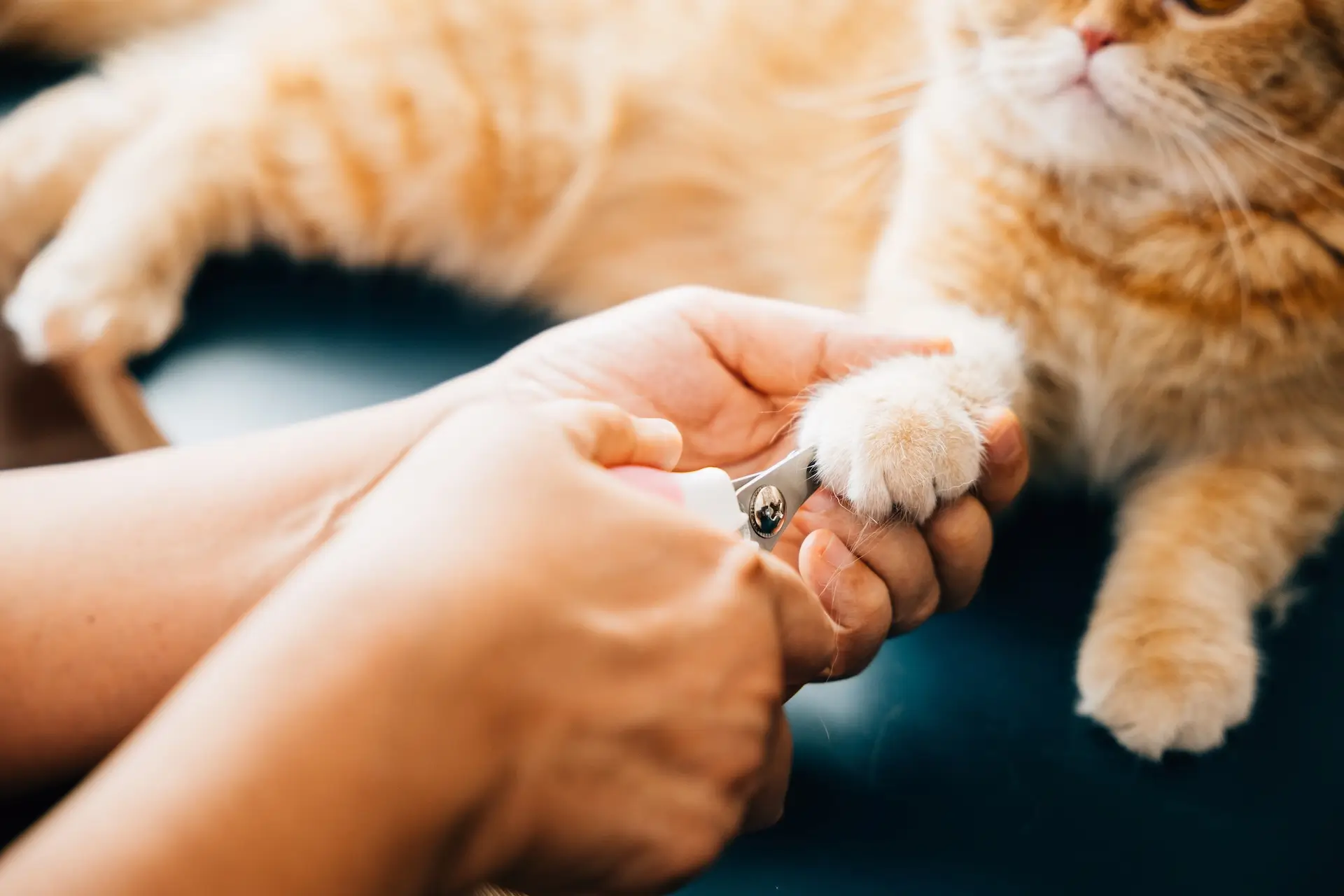
How to Trim Cat Nails Safely at Home
Trimming your cat’s nails at home might feel intimidating at first, but with the right approach, it can become a simple part of your routine. Regular nail care helps prevent overgrown cat claws, reduces scratching damage, and keeps your cat more comfortable overall.
Whether you’re new to cat nail trimming or just looking to improve your technique, understanding the process can make it easier for both you and your cat.
Why Regular Nail Trimming Matters
Cat nails grow continuously, and without regular trimming, they can become too long and uncomfortable. Overgrown cat claws can curve inward, snag on surfaces, or even cause pain when walking or jumping.
Keeping your cat’s nails trimmed helps:
- Prevent painful overgrowth
- Reduce damage to furniture and surfaces
- Lower the risk of accidental scratches
- Support healthy movement and posture
For indoor cats especially, trimming is an important part of routine care since they may not naturally wear down their claws as much as outdoor cats do.
How Often Should You Trim Your Cat’s Nails?
Most cats benefit from nail trimming every 2 to 4 weeks, but this can vary depending on their activity level and lifestyle.
You may need to trim more often if:
- Your cat is strictly indoors
- You hear nails clicking on hard floors
- The claws appear long or sharp
- Your cat is snagging nails on fabrics
Watching your cat’s behavior and checking their claws regularly will help you find the right schedule.
Understanding Your Cat’s Nails Before You Start
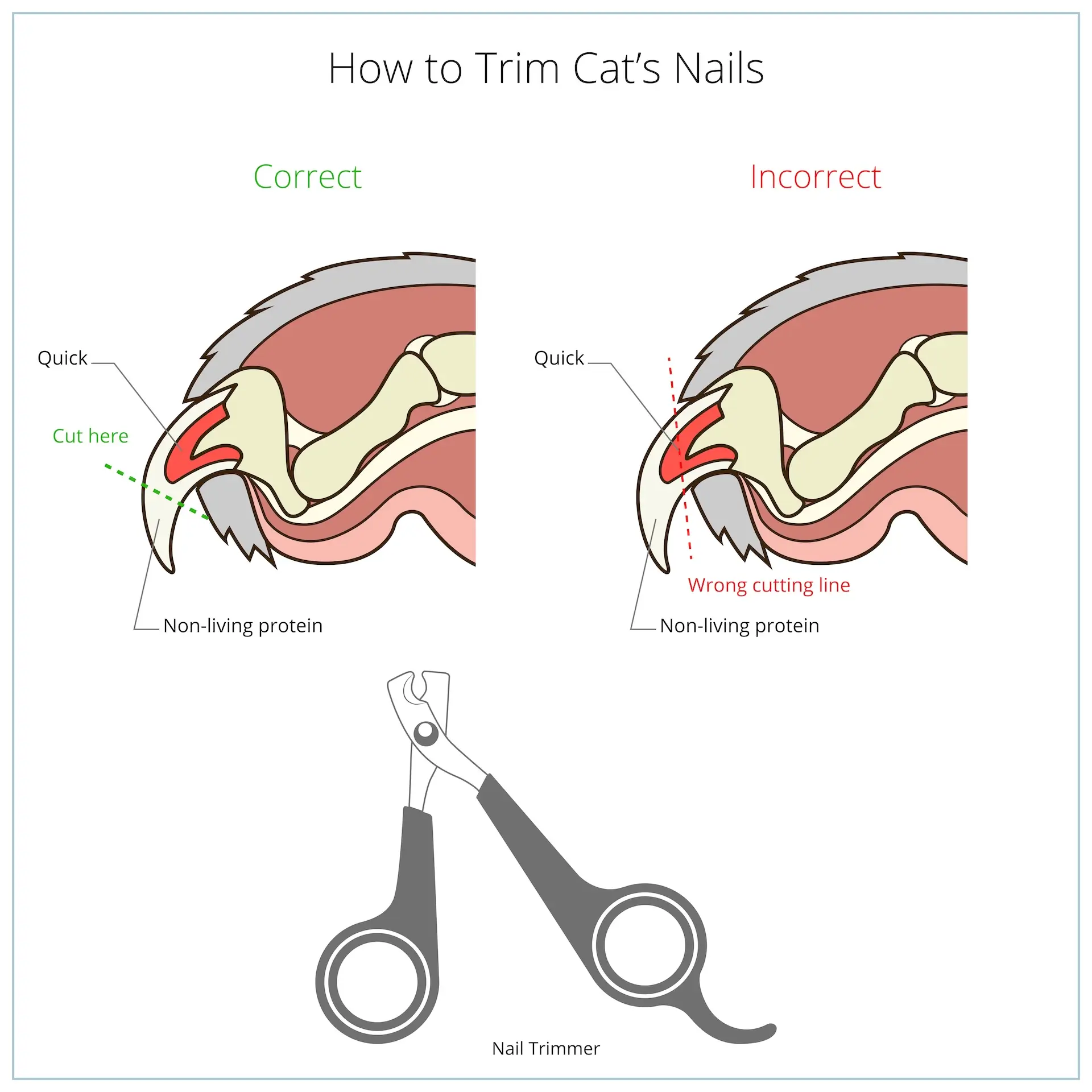
Before you begin trimming, it’s important to understand what you’re cutting. Each claw contains a sensitive inner area called the quick, which contains blood vessels and nerves.
- The clear or outer part of the nail is safe to trim
- The pink area (quick) should be avoided
Cats also have dewclaws, which are located slightly higher up on the inside of their front legs. These claws don’t wear down naturally and often need more frequent trimming.
Step-by-Step: How to Trim Cat Nails Safely
Taking it slow and staying calm will make the process much easier.
- Choose a quiet, relaxed time when your cat is calm
- Gently hold your cat’s paw and press lightly to extend the claws
- Identify the quick and focus only on trimming the tip
- Use a cat-specific nail clipper for better control
- Trim small amounts at a time rather than cutting too much
- Reward your cat with treats or praise after each session
If your cat becomes restless, it’s okay to take breaks and trim a few nails at a time instead of all at once.
What If You Cut Too Far?
Even with care, accidents can happen. If you trim too close to the quick, the nail may bleed slightly.
If this happens:
- Stay calm and reassure your cat
- Use styptic powder or a clean cloth to stop the bleeding
- Give your cat time to relax before continuing
Most minor nicks are not serious, but being prepared can help you handle the situation confidently.
Tips for Cats That Resist Nail Trimming
Some cats are more sensitive about having their paws handled. If your cat resists, try:
- Trimming after a nap when they are more relaxed
- Handling their paws regularly to build comfort over time
- Using treats to create positive associations
- Wrapping your cat gently in a towel if needed
Consistency and patience are key. Over time, many cats become more tolerant of nail trimming.
When to Seek Extra Help
If your cat has extremely overgrown claws, becomes highly stressed, or you’re unsure about trimming safely, it’s okay to seek help. Nail care is part of overall wellness, and getting support can prevent injury or discomfort. Like many aspects of cat care, it gets easier with time. Starting slow and building trust will make the experience better for both you and your cat.
For pet parents who travel or need extra support, services like cat boarding can help ensure your cat receives attentive care in a calm, structured environment while you’re away.