Naju Pets | April 10, 2026
Why Orange Cats Get So Much Attention
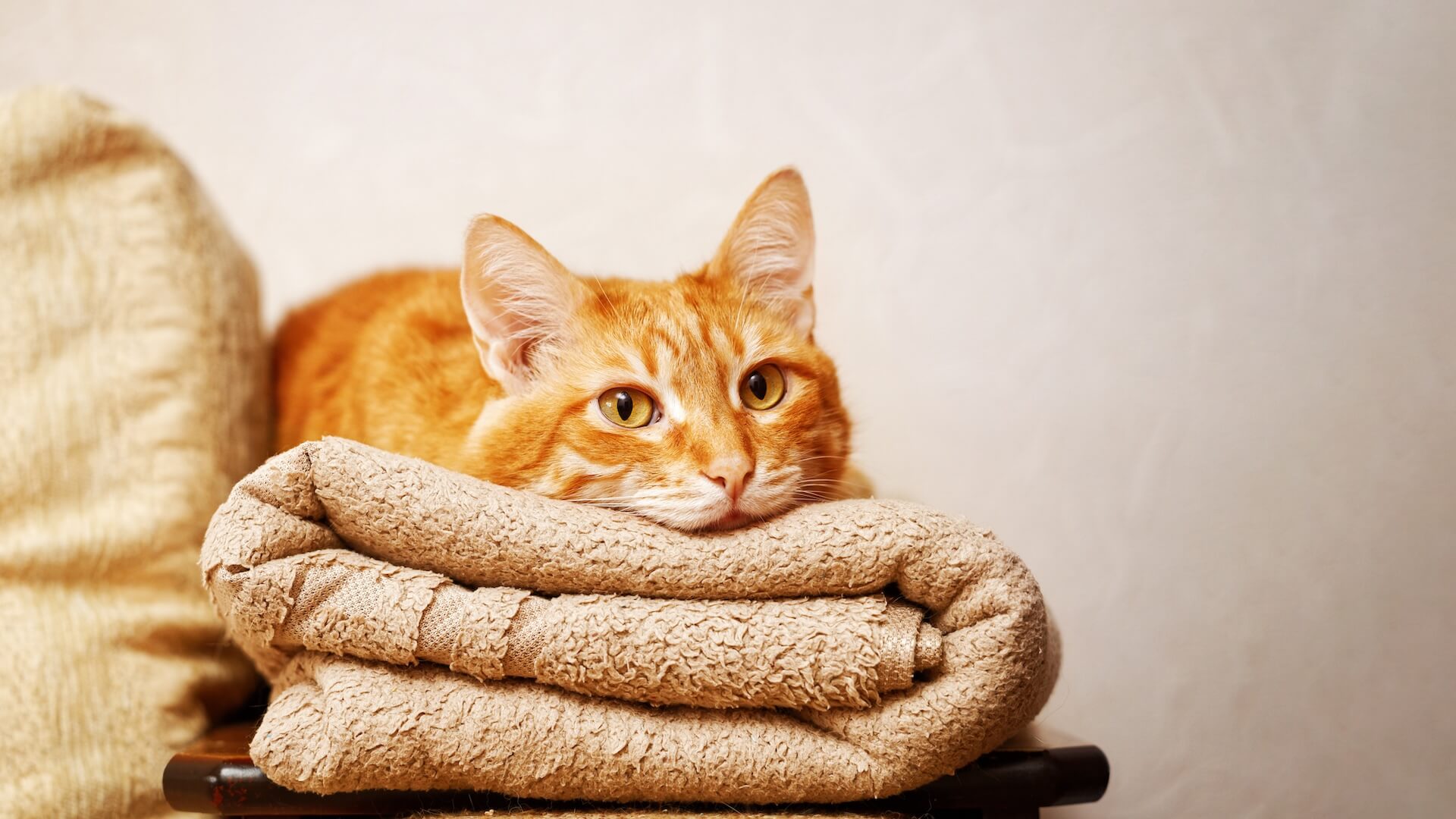
Orange cats have built quite a reputation online. From being labeled chaotic to overly energetic or even “not the smartest,” these cats are often surrounded by strong opinions and stereotypes. One of the most common questions people ask is: are orange cats always male?
The short answer is no. But the full explanation is more interesting. Understanding the facts behind orange cats can help you separate internet myths from reality and better understand your cat’s personality and behavior.
Are Orange Cats Always Male?
No, orange cats are not always male, but most of them are.
The reason comes down to genetics. The gene responsible for orange coloring is linked to the X chromosome. Male cats have one X chromosome and one Y chromosome, while female cats have two X chromosomes. Because of this, it is statistically more likely for a male cat to display orange coloring.
That said, female orange cats absolutely exist. They are simply less common, making up a smaller percentage of orange tabby cats overall. So while you are more likely to meet a male orange cat, it is not a rule, just a probability.
Why Are Orange Cats So Commonly Tabby?
If you have ever noticed that most orange cats have stripes, that is not a coincidence. All orange cats are technically tabby cats, meaning they will have some form of tabby pattern such as stripes, swirls, or spots.
This is because the gene for orange coloring works alongside the tabby gene. As a result, you will not see a solid orange cat without some type of pattern.
Common orange tabby variations include:
- Classic swirl patterns
- Mackerel stripes
- Spotted tabbies
- Ticked coats
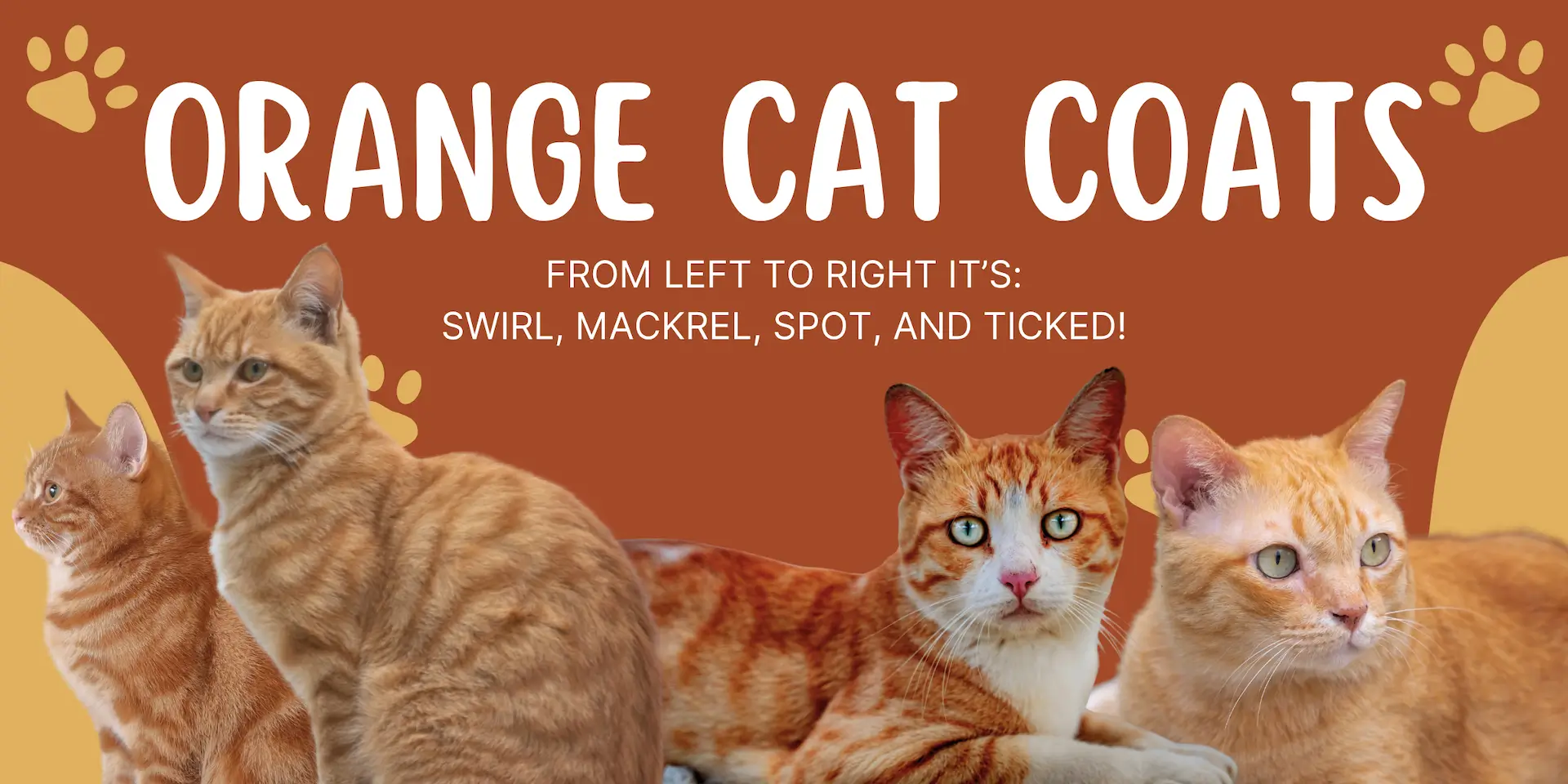
These patterns contribute to the recognizable “orange tabby cat” look people often associate with playful and expressive personalities.
Orange Cat Personality: Myth vs. Reality
Orange cats are often described as outgoing, energetic, and sometimes a little chaotic. While many owners will agree their orange cat has a big personality, these traits are not guaranteed.
Personality in cats is influenced more by:
- Early socialization
- Environment
- Breed traits
- Individual temperament
Not coat color.
Some orange cats may be highly social and playful, while others are calm and independent. The idea that all orange cats behave the same way is more of a cultural stereotype than a scientific fact.
Providing the right environment can make a big difference in how your cat behaves. Simple things like enrichment and stimulation can help balance energy levels and reduce unwanted behaviors. If you are looking for ideas, check out these indoor cat enrichment tips to help keep your cat mentally and physically engaged.
Are Orange Cats “Dumb” or “Crazy”?
This is one of the most common myths, and it is entirely false.
Orange cats are not less intelligent than other cats, and there is no scientific evidence linking coat color to intelligence. What people often interpret as “crazy” behavior is usually:
- High energy levels
- Curiosity and exploration
- A strong desire for attention or interaction
Cats that are more active or social tend to stand out more, which may contribute to the stereotype. In reality, these traits can be signs of a healthy, stimulated cat.
When cats do not get enough mental or physical stimulation, behaviors can become more intense. That is why enrichment, routine, and structured care are so important for all cats, regardless of color.
Do Female Orange Cats Behave Differently?
Because female orange cats are less common, some people assume they behave differently. However, there is no clear evidence that female orange cats have a unique personality compared to male orange cats.
Like all cats, behavior comes down to the individual. Some may be affectionate and social, while others prefer quiet environments and independence.
The rarity of female orange cats often makes them more memorable, which can lead to the idea that they behave differently when in reality they simply stand out more.
What About Orange Cat Breeds?
Orange is a coat color, not a breed. You can find orange coloring across many different cat breeds, including:
- Domestic shorthair and longhair cats
- Maine Coons
- Persians
- British Shorthairs
- Abyssinians
Each breed has its own tendencies when it comes to energy, temperament, and grooming needs. For example, long-haired orange cats may require more regular grooming to prevent matting and maintain coat health.
For cats that need extra care or support, professional services like cat boarding can also provide a safe, comfortable environment when you are away, especially for cats that benefit from routine and attentive care.
Orange Cat Myths vs Facts: What You Should Know
Orange cats are not always male, not inherently “crazy,” and definitely not less intelligent than other cats. What they do tend to have is personality, but that comes from individual temperament, not coat color.
Understanding the facts behind orange cats helps you look past the stereotypes and focus on what really matters: providing the right care, environment, and attention for your cat’s needs.
Whether your cat is playful, independent, or somewhere in between, creating a comfortable and enriching environment will always have a bigger impact than color ever will.