Naju Pets | January 3, 2026
Why Dogs Pant in the First Place
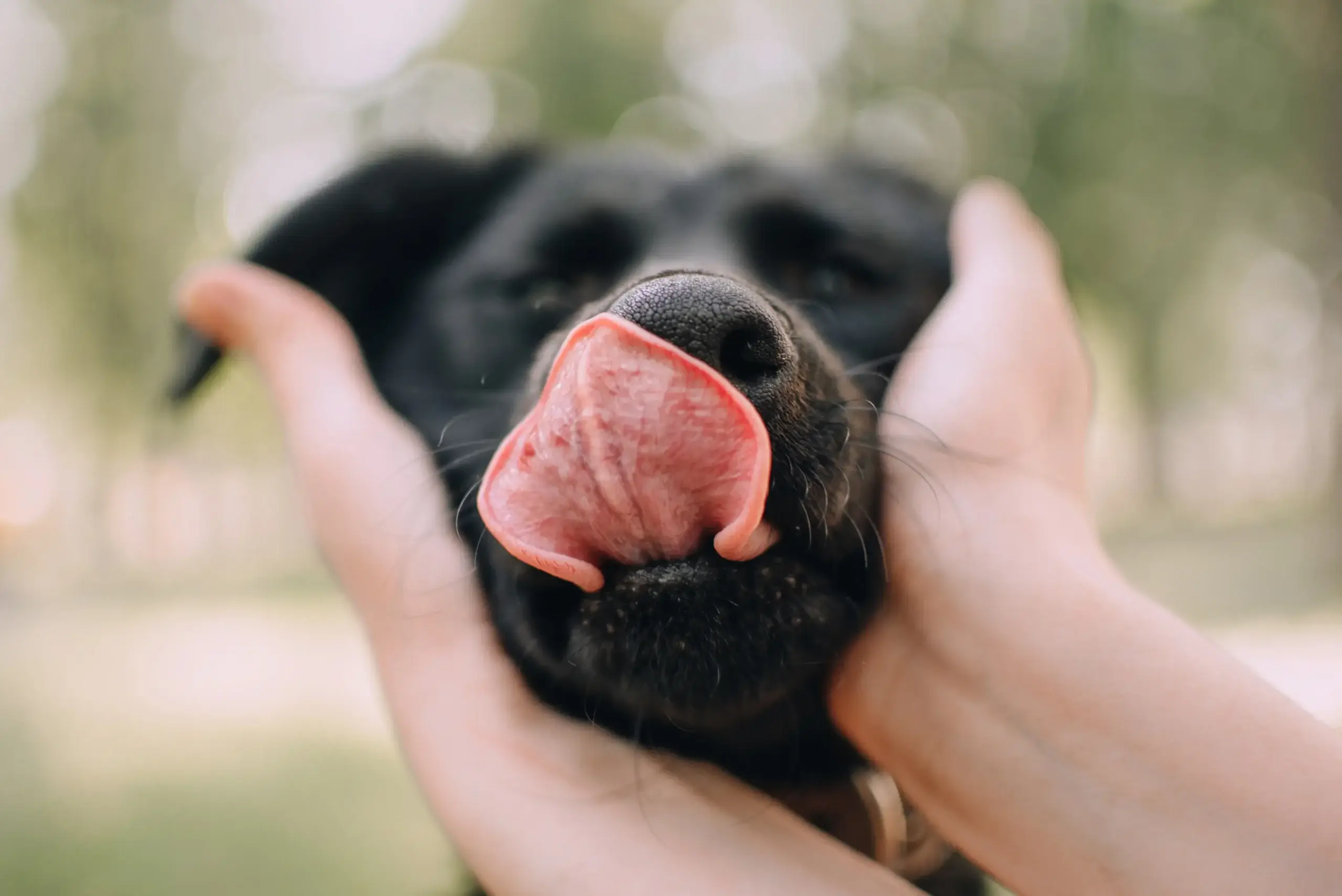
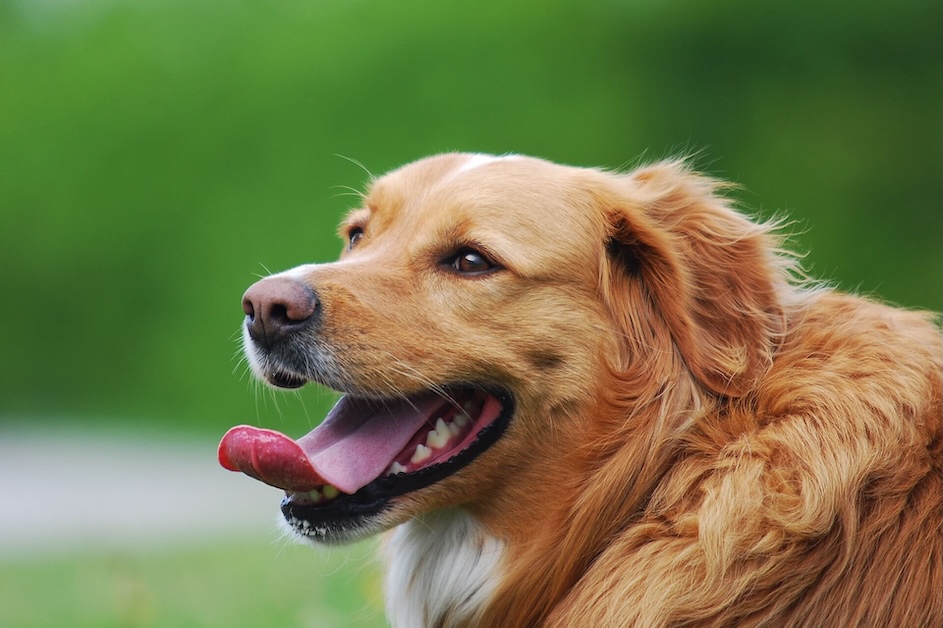
Panting is one of the most natural and important ways dogs regulate their body temperature and release built-up stress. Unlike humans, dogs do not sweat through their skin. Instead, they cool themselves by rapidly moving air over their tongue and through their respiratory system, which helps release heat and bring their body temperature back down. Panting can also happen when a dog is excited, nervous, or overstimulated, making it a normal response in many everyday situations rather than an immediate cause for concern.
Common Reasons for Dog Panting
In many cases, dog panting is tied to everyday situations and is not a cause for alarm. Some of the most common reasons include:
- Heat and exercise: Dogs pant to cool themselves down after physical activity or when the weather is warm. This is the most common answer to “why do dogs pant,” and it is a normal part of temperature regulation.
- Excitement or stress: A dog may start panting a lot when they are excited, nervous, or overstimulated, such as during car rides, vet visits, or when guests arrive.
- Pain or discomfort: Panting can sometimes be a subtle sign that a dog is uncomfortable or experiencing pain, especially if it appears suddenly or without an obvious trigger.
- Aging and reduced heat tolerance: Senior dogs often have a harder time regulating their body temperature, which can lead to more frequent or heavier panting even during mild activity.
Common Panting Patterns
Some panting patterns happen at specific times or alongside other behaviors, and they can mean different things depending on the situation.
- Dog panting at night: Nighttime panting can be linked to warm sleeping areas, anxiety, restlessness, or discomfort. Occasional panting may be normal, but frequent nighttime panting without an obvious reason is worth paying attention to.
- Dog panting and shaking: This combination can occur during stress, fear, or excitement, but it may also signal pain or illness if it comes on suddenly or seems intense.
- Dog breathing fast but not panting: Rapid breathing without open-mouth panting can sometimes be seen during sleep, mild stress, or after activity, but persistent fast breathing at rest may point to respiratory or heart concerns.
While some of these patterns can be harmless, ongoing or unexplained changes in breathing or behavior should be discussed with a veterinarian.
Signs of Excessive Panting in Dogs
Normal panting usually comes and goes, especially after exercise, excitement, or warm weather. Excessive panting in dogs, however, looks different and tends to persist even when there is no clear reason. If your dog won’t stop panting, is breathing heavily or rapidly while resting, or seems to be panting for no obvious cause, these can be signs that something more than normal cooling is happening. It’s also important to pay attention to how long the panting lasts. If heavy or fast breathing continues for an extended period, does not improve with rest and water, or appears suddenly and intensely, it may be time to seek veterinary advice.
How to Calm a Panting Dog
While panting is common, there are times when heavy or fast breathing can signal a medical issue. Overheating or heat exhaustion can cause intense, nonstop panting and requires immediate cooling and veterinary care. Heart or lung conditions may also lead to rapid or labored breathing, even when your dog is at rest. In some cases, anxiety or neurological issues can trigger abnormal breathing patterns, as can pain or underlying illness. If your dog’s breathing changes suddenly, becomes unusually intense, or is paired with weakness, restlessness, or other concerning symptoms, it’s important to contact your veterinarian for an evaluation.
How Grooming and Comfort Care Can Help
Proper coat care can make a big difference in how comfortably a dog handles heat and stress. Regular brushing helps remove excess undercoat and allows air to circulate closer to the skin, while routine bathing keeps the skin clean and free from buildup that can trap heat or cause irritation. Keeping the coat well-maintained can help dogs regulate their body temperature more efficiently and feel more at ease, especially during warmer months.
While NaJu is not a veterinary clinic and cannot diagnose medical conditions, professional grooming supports overall comfort and can help spot changes in the skin or coat early so you can follow up with your vet if needed.
When to Call Your Veterinarian
Contact your veterinarian right away if you notice any of the following:
- Persistent fast breathing that does not slow down with rest or cooling
- Panting with collapse, pale gums, or extreme lethargy
- Sudden behavioral changes such as confusion, weakness, or restlessness
- Dog panting and shaking together, especially without an obvious cause like excitement or fear
These signs can point to pain, illness, or other serious conditions that need prompt medical attention.
Helping Your Dog Feel Their Best
Panting is usually a normal way for dogs to cool down and release stress, but it’s still something worth paying attention to, especially if it seems excessive, sudden, or out of character for your dog. Watching for patterns and staying calm can help you tell when panting is simply part of everyday activity and when it may be time to check in with your veterinarian.
If comfort and cooling are part of the concern, regular grooming can help keep your dog’s coat and skin in the best condition for temperature regulation. NaJu offers both in-facility grooming and convenient mobile grooming services, making it easy to keep your dog clean, comfortable, and supported. Schedule a grooming appointment with NaJu today to help your dog feel their best, inside and out.